
We are asked a lot why people fly all this distance to do yoga. One wants a certificate before leaving a desk job. Another is for a stiff back that physio never quite sorted out. There were plenty of people who just wanted a month off from their laptops. So there are lots of Yoga Courses in India, and no two are exactly the same.
Rishikesh is the most packed. The majority of the ashrams are located in Tapovan, near Laxman Jhula. The bell goes at 5 am. After dinner there is kirtan. Mysore is for Ashtanga. In Gokulam students rent rooms and each one works through their own sequence while the teacher walks around. Schools in Goa are near Arambol, Mandrem and Agonda. Most are only open between November and March. In Kerala, around Varkala and Kovalam, it's morning yoga and Ayurveda after lunch. A nap, usually. Prices swing a lot between all of these.
Below we go through them one at a time, starting with Yoga Training Courses in India for beginners and would-be teachers. After that follows yoga therapy, Ayurveda, naturopathy and massage. Then Panchakarma, meditation, and the retreats that blend it all up.
Why India and not your local studio
Your neighbourhood studio can be extremely good. The difference here is largely the teachers, many of whom have practised every morning for thirty or forty years and learnt from teachers who learned from their own gurus. Some of that comes through in subtle adjustments you won't get elsewhere. The other difference is rhythm: when the whole school gets up before light, waking up early stops being a challenge after the third or fourth day.
Money plays a part as well. Good Yoga Courses in India normally cost a fraction of what the same hours cost in London or Sydney, and the fee generally includes a shared or single accommodation and sattvic vegetarian meals. Philosophy classes, mantra chanting and pranayama come built into the day rather than as paid add-ons.
Choosing one
Fame isn't a reliable guide. A few of the best-known Yoga Courses in India are great; others have been living off a name for years. Ask who actually teaches the classes (not who founded the school in 1990), how many students share a hall, and for a sample timetable. Read the reviews, and pay closest attention to the three-star ones, since those folks usually describe what went wrong.
If a whole month feels like too much, there are shorter Yoga Training Courses in India of one or two weeks. That's plenty to find out whether ashram food, cold-water bucket baths and lights out at half nine are for you.
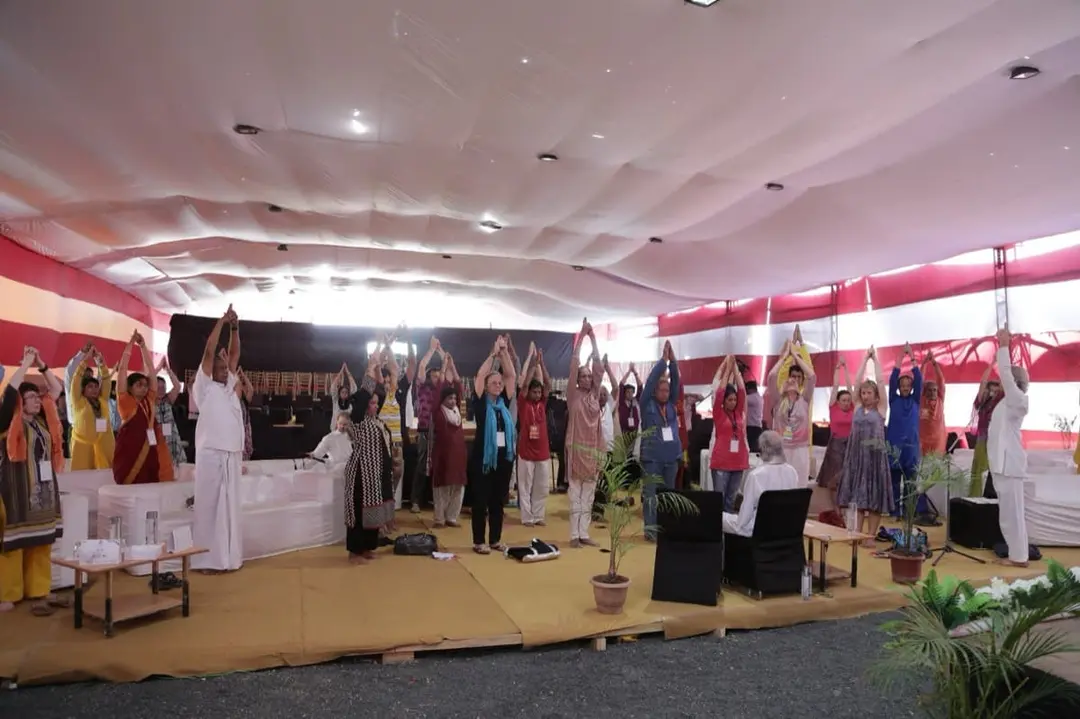
Yoga Teacher Training Courses in India
Plenty of people join up for Yoga Teacher Training in India with no intention of ever teaching. They want four weeks to get properly deep, and that's a perfectly valid reason. Others are planning a career shift. Either way, the structure is roughly the same.
Most people start with a 200-hour course, which takes roughly four weeks. It includes asana, pranayama, anatomy, philosophy and the essentials of instructing a lesson. Once you've done that, you can go on to a 300-hour advanced course a year or two later, or join one of the institutions that conducts a combined 500-hour programme. There are also shorter specialist trainings in yin, prenatal yoga, kids' yoga and therapeutic yoga.
A word on certifications. Most schools offering Yoga Certification in India are registered with Yoga Alliance, and studios outside tend to seek for that. But not all of them are, and a few are ambiguous about it on their websites. Look the school up yourself before you hand over a deposit.
The paper isn't everything, though. A Yoga Certification in India is only worth getting if you come out able to stand in front of a room and teach. Ask how many hours of practice teaching you'll get and whether a senior teacher watches and gives comments. Some schools are exceptional at this. Some scarcely bother.
So what's a day like on a Yoga Instructor Course in India? Roughly this, albeit every school does it a bit differently:
- Up at 5:30, herbal tea if you're lucky
- 6 am pranayama and meditation, 7 am a long asana class
- Breakfast at nine (you'll be starving)
- Late morning: anatomy, philosophy, the Yoga Sutras
- Afternoon: teaching practice in small groups
- Another asana class or some chanting in the evening, then bed by half nine
It's tiring. By week two your hamstrings will have opinions, and you'll be sleeping the second your head meets the pillow. Most schools allow you one day off a week. People spend it exploring, doing laundry, or sleeping for twelve hours straight.
Where should you go? Rishikesh is the obvious choice, sitting on the Ganga in the Himalayan foothills, filled with schools and very spiritual in mood. Mysore is for Ashtanga folks who want discipline. Goa is laid-back and runs mostly from November to March. Dharamshala has chilly air and a Tibetan flair. And if you'd like to match a Yoga Instructor Course in India with Ayurvedic therapies, Kerala makes a lot of sense. There's no single top venue for Yoga Teacher Training in India. It depends what you want outside class.
Yoga Therapy and Wellness in India
Not everybody wants to learn handstands. A lot of people come to India because they are tired, sore or burnt out and want to feel good.
Yoga Therapy in India is for them. It's slow and gentle and typically one to one. A therapist will first ask you how you are (back pain, anxiety, insomnia, a recent operation, whatever) and then devise a practice for your body, not a set sequence that everyone does. Some centers offer two- to four-week structured programs in Yoga Therapy in India, often in conjunction with Ayurvedic doctors. It’s not a substitute for your own doctor. Bring your medical paperwork, and keep your GP in the loop.
Yoga Wellness in India is looser. Think basic vegetarian meals, early nights, long walks, daily yoga, maybe a massage or two. No tests, no pressure. It's less a course than a reset.
To be fair, a fortnight of Holistic Wellness in India can do a lot. Sleep, regular meals, sunshine and a bit of movement aren't really secrets. They're just hard to manage at home with emails pinging, which is why some people book a Yoga Wellness in India stay every single year.
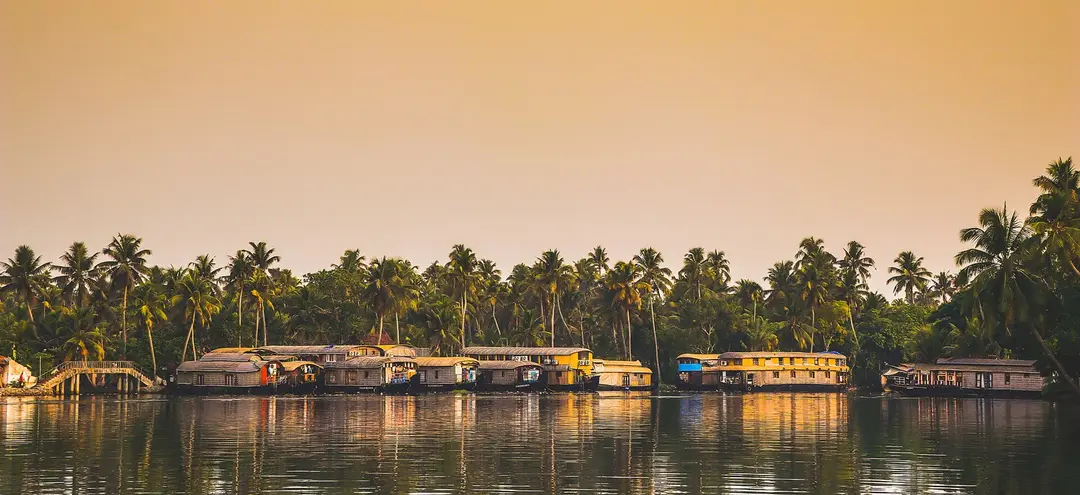
Ayurveda Treatment in India
Ayurveda has been around for thousands of years. The word roughly means "the science of life", and it treats you as a whole person: what you eat, how you sleep, how stressed you are, what season it is. It's less about fixing a symptom and more about getting you back into balance.
Good Ayurveda Treatment in India, particularly in Kerala, starts with a doctor. Ayurvedic doctors here study for five and a half years for a BAMS degree, so they're not just therapists with a nice certificate. Your first consultation can take a while. They'll feel your pulse, look at your tongue and ask questions you might not expect about digestion and dreams. Then they'll work out your dosha balance (vata, pitta and kapha).
After that, your Ayurvedic Treatment in India is planned around you. Expect herbal medicines, a diet that might feel a bit restrictive, oil treatments every day, some gentle yoga and plenty of advice to take home. You'll usually see the doctor every day or every other day, and they'll tweak things as you go.
How long should you stay? Most programmes are 7, 14 or 21 days. A week helps, but classic Ayurvedic Therapy in India really needs two weeks or more, because the first few days are mostly about preparing your body.
People come for Ayurveda Treatment in India for all kinds of reasons: stiff joints, a bad back, skin problems, stress, digestion, or just to feel a bit more human again. Results vary, and a decent doctor will tell you that upfront. Always mention any medicines you're on.
What makes good Ayurvedic Therapy in India? Qualified doctors, clean rooms and properly trained therapists, in that order. And patience. Proper Ayurvedic Treatment in India takes time, so be suspicious of any place promising a miracle in three days.
Ayurveda and Naturopathy in India
Naturopathy has a refreshingly simple idea behind it. Give your body good food, rest, water and sunshine, and it'll do a lot of the healing on its own. Naturopathy in India uses hip baths and spinal baths, cool mud packs, fasting and juice days, carefully timed sunbathing, massage and a great deal of lying around. No pills.
It has deep roots here. Gandhi was a big believer in nature cure, and today you'll find naturopathy hospitals and wellness centres all over the country, with a lot of them in Karnataka, Kerala and Tamil Nadu.
Many centres now blend the two systems. Ayurveda Naturopathy in India usually means Ayurvedic oils, herbs and massages alongside naturopathic diets, water treatments and fasting. They fit together well, since both care a lot about food and daily routine. Some places in Karnataka and Kerala focus on Ayurveda Naturopathy in India and have doctors from both systems on staff.
A Naturopathy Treatment in India might last a week or a whole month. The food is plain, fresh and vegetarian, and there's no coffee. That first coffee-free morning is rough, we won't pretend otherwise. By the end, though, most people say they feel lighter and sleep better. It's also good value: a Naturopathy Treatment in India is one of the cheaper ways to take a long health break.
Ayurvedic Massage in India
If you've only had spa massages before, an Ayurvedic Massage in India will be a bit of a shock, in a good way. There's a lot of warm herbal oil. Often there are two therapists working in sync, one on each side. The strokes follow marma points, and the oil is picked to suit your dosha, so your treatment won't be quite the same as the person's in the next room.
You'll hear a few names over and over. Abhyanga is the full-body oil massage that most programmes are built on. Shirodhara is the famous one, where warm oil is poured in a thin, steady stream across your forehead, and plenty of people nod off during it. Pizhichil involves warm oil being squeezed over you while you're massaged. Njavarakizhi uses little cloth bundles of rice cooked in milk and herbs. Udvartana is a brisk, dry rub with herbal powder. And don't skip Padabhyanga, the foot massage. It's better than it sounds.
An Indian Ayurvedic Massage normally takes 45 to 90 minutes, followed by herbal steam and a warm bath. The rooms are modest and the table is frequently solid wood. Wear old underpants, because the oil gets everywhere. Most establishments offering an Indian Ayurvedic Massage will give you a therapist of the same gender; simply ask.
One massage feels amazing. A week of Ayurvedic Massage Therapy is a different thing altogether, so book a short course if you can. Pairing Ayurvedic Massage Therapy with daily yoga is about as relaxing as a week gets. You can find an Ayurvedic Massage in India virtually anyplace, but Kerala is where it's done best.
Kerala Ayurvedic Massage Courses
Liked it so much you want to learn it? You're not the first. Kerala Ayurvedic Massage Courses in India bring in massage therapists, spa workers, yoga teachers and plenty of people who just got intrigued after a session. Kerala is the place to study, given how strong its Ayurvedic culture is.
Ayurvedic Massage Training in India starts with the theory: which oils are used, how they're manufactured, the doshas, marma points, talking to a client, keeping things clean. Then it gets hands-on quick. You’ll practise Abhyanga, Shirodhara, Kizhi and Pizhichil on your classmates (and they’ll practise on you) while a tutor corrects your hands.
The basic treatments are covered in brief Ayurveda Massage Courses, normally lasting one or two weeks. The diploma classes are for a month and above and include theory as well as further practices. There are also enhanced options to support working therapists with Panchakarma.
Most Ayurveda Massage Courses end with a practical exam and a certificate. One thing to check before you go: if you wish to work professionally at home, your country may have its own licensing procedures. A good Ayurvedic Massage Training in India will provide you real skills, but it won’t overrule local law. Still, plenty of students believe Kerala Ayurvedic Massage Courses in India were the most useful thing they ever learnt.
Panchakarma and Ayurvedic Detox
Panchakarma means 'five activities', and it's the heavier end of Ayurveda. A profound detox that takes significant time and commitment. A full Panchakarma Treatment in India typically takes 14 to 28 days. The doctor determines the treatments you require. Most folks don’t obtain all five of those.
It has 3 stages. First there is preparation, several days of drinking medicinal ghee, oil massage and herbal steam to loosen everything up. Then the primary cleansing procedures. Then a gentle recovery diet to get your digestion back to normal.
The five classical techniques are vamana (therapeutic vomiting), virechana (purging), basti (medicated enemas), nasya (treatments through the nose) and raktamokshana (bloodletting, which is hardly done these days). Not really a holiday, huh? But a lot of people swear by it.
Panchakarma Therapy in India is tough and can tire you out. Don’t schedule sightseeing for those weeks. It’s not appropriate during pregnancy or with certain health conditions, which is why the consultation is so important. A good center will tell you if it is not for you. Most places offering Panchakarma Therapy in India will also ask that you avoid alcohol, late nights and strenuous exercise for the period.
If that sounds like too much, try a milder Ayurvedic Detox Treatment of seven to ten days instead. It follows massage, steam, nutrition and gentle cleansing. Such an Ayurvedic Detox Treatment is a sensible introduction to trying Ayurveda for the first time. And if you do go for a full Panchakarma Treatment in India, go for a doctor-led center and stay put for the whole thing.
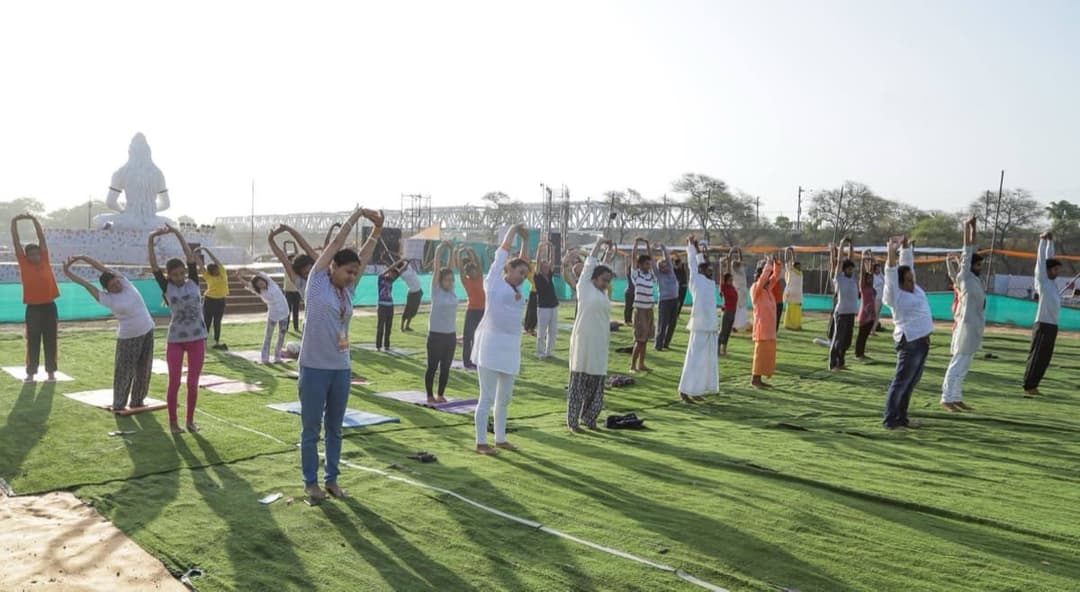
Meditation and Pranayama Courses
Good news if you can't touch your toes: You don't have to be limber to sit still.
Meditation Courses in India come in all sizes. At one end there are ten-day quiet Vipassana retreats, and they're tough. No conversation, no phone, no eye contact, 10 hours a day sitting. At the other extreme, there are mild introductions in ashrams in Rishikesh, Dharamshala and the Himalayan foothills, and Buddhist centers near Bodh Gaya and Himachal. Some teach mantra, some work with the breath, some just encourage you to notice what is going on.
If you've never meditated, try three to five days to start. Ten days of silence straight out of the gate is like running a marathon without training. The finest Meditation Courses in India will set out the regulations before you sign up, so read them.
Pranayama Courses in India are on breathing: alternate nostril breathing (nadi shodhana), kapalbhati, bhramari (the humming one) and ujjayi. A skilled teacher goes slow because some techniques are not safe for everybody, persons with high blood pressure for example. Most Pranayama Courses in India are one to three weeks and many are taught with yoga.
Meditation and Yoga Courses are often done together by a lot of people. It makes sense. Asana pulls the fidgets out of your body so you can actually sit and meditation soothes your mind so your practice goes deeper. Most Yoga Courses in India nonetheless involve some meditation everyday. Dedicated Meditation and Yoga Courses generally run one to four weeks.
Yoga, Ayurveda and Naturopathy Retreats
Can’t pick from all of the above? Book a retreat and get a bit of everything, no examinations and no tight syllabus.
Most people wanting a Yoga Ayurveda Wellness Retreat India want pretty much the same things: yoga every day, a consultation with an Ayurvedic doctor, a few massages, decent vegetarian food and somewhere quiet, either along the sea or up in the hills. Some also include cooking workshops and day trips.
A Yoga and Ayurveda Retreat in India might last as short as five days or as long as a month. Usually it's Kerala, Goa, Rishikesh and the hills of Karnataka. Some are really lavish, with infinity pools; others are basic ashram rooms with a fan and a bucket shower. Both are great. Just be true to yourself how much comfort you have to have.
Prefer nature cure and diet? A Yoga and Naturopathy Retreat adds fasting, water treatments and mud therapy to the mix. It's more introverted, more silent. The Yoga and Naturopathy Retreat should be a minimum of two weeks, because the first few days are largely about adjusting.
Whatever you pick, try to put your phone in a drawer. A Yoga and Ayurveda Retreat in India works best when the days slow way down and a Yoga Ayurveda Wellness Retreat India stay of a week or longer is when most people start experiencing the difference.
Traditional Indian Wellness Therapies
The two most famous are yoga and Ayurveda but India has a lot of other healing traditions. Indian Wellness Therapies include Siddha medicine from Tamil Nadu (one of the oldest systems in the south), Unani with its Greek and Persian roots, marma therapy on the body’s vital points, the vigorous oil massage that stems from Kerala’s Kalaripayattu martial art, and sound healing with mantras and chanting.
What they have in common is a practice of looking at the full person. Traditional Indian Healing is concerned with your sleep, your food and your mood, not simply the hurting knee you came in with. That's a large part of what draws individuals to Holistic Wellness in India in the first place.
Use these therapies along with contemporary medicine and not instead of current medicine. Seek trained practitioners. Many Indian Wellness Therapies are practiced under the Ministry of AYUSH in India, which includes Ayurveda, yoga, naturopathy, Unani, Siddha and homoeopathy. When investigating Traditional Indian Healing, a simple initial check is to ask if a center is recognised.
Best Yoga and Ayurveda Courses in India
There are hundreds of schools out there. How do you choose the Best Yoga Courses in India for you? Start by asking yourself what you really want. A certificate? A rest? Struggling with a bad back? Some peace and quiet? Once you know that, you’ve cut off half the alternatives.
Then go do some homework. Look at the teachers’ training and how long they’ve been teaching. For teacher trainings, check Yoga Alliance registration. For Ayurveda, make sure a BAMS doctor is in control. Look at class sizes, accommodation, food and hygiene, find out what's included in the fee, and read reviews from people who've really been.
The Best Yoga Courses in India aren't all in one spot. Rishikesh and Mysore are the prominent names for classical yoga, Goa suits a relaxing winter course, while Dharamshala is cooler in the mountains. For the Best Ayurveda Courses in India, Kerala is hard to match, however Rishikesh and Goa have some notable colleges as well.
Timing matters more than people assume. Ayurvedic tradition believes the monsoon (approximately June to August) is the greatest period for treatment in Kerala, because the cold, moist air helps the body absorb in the oils. October to March is the most comfortable time practicing yoga in most of India. In summer, aim for the highlands while the plains bake.
Still debating between the Best Ayurveda Courses in India and a yoga programme, or desire a mix of both? Combined Yoga and Ayurveda Courses in India are popular in Kerala, where you practise in the morning and have treatments in the afternoon. Tell us your dates, budget and what you're expecting to get out of it, and we'll help you locate the best Yoga and Ayurveda Courses in India.