Kailash Mansarovar Yatra Ex Lucknow
17N / 18D Starts from Lucknow By road
Price on request
View details
Kathmandu · Syabrubesi · Kerung · Saga · Lake Mansarovar · Darchen · Kailash Parikrama · Saga · Kathmandu
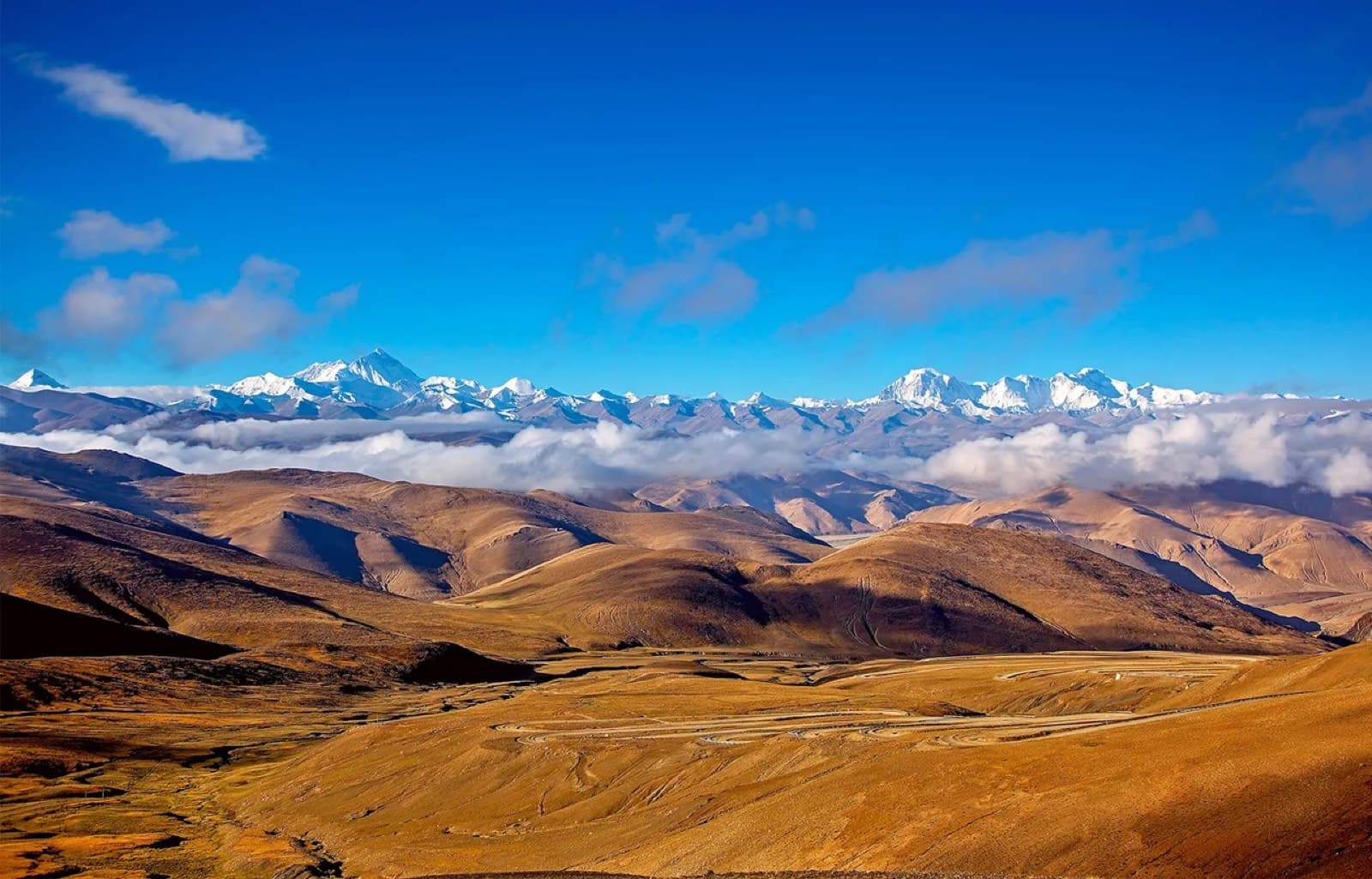
The Kailash Mansarovar Yatra Overland Ex Kathmandu is a thirteen day pilgrimage by road across Nepal and Tibet to the base of Mount Kailash (6,638 metres). After temple darshan in Kathmandu at Pashupatinath, Guhyeshwari and Budanilkantha, the journey crosses into Tibet at Rasuwagadhi and climbs gradually through Kerung and Saga, with a dedicated acclimatisation day at Saga before reaching Lake Mansarovar (4,590 metres). The route continues to Darchen for the three day Kailash Parikrama of about 47 km, crossing the Dolma La Pass at 5,636 metres. Travel in Tibet is by air conditioned luxury coach with a support truck, all meals are vegetarian, and the China and Tibet visa and permits are in...
Arrive at Tribhuvan International Airport in Kathmandu, at about 1,400 metres, where you are met and transferred to the hotel. The rest of the day is free to rest, drink plenty of water and buy any last items for the journey, such as trekking poles, thermals, high altitude snacks and personal medicines. Passports and documents are collected for Tibet permit processing.
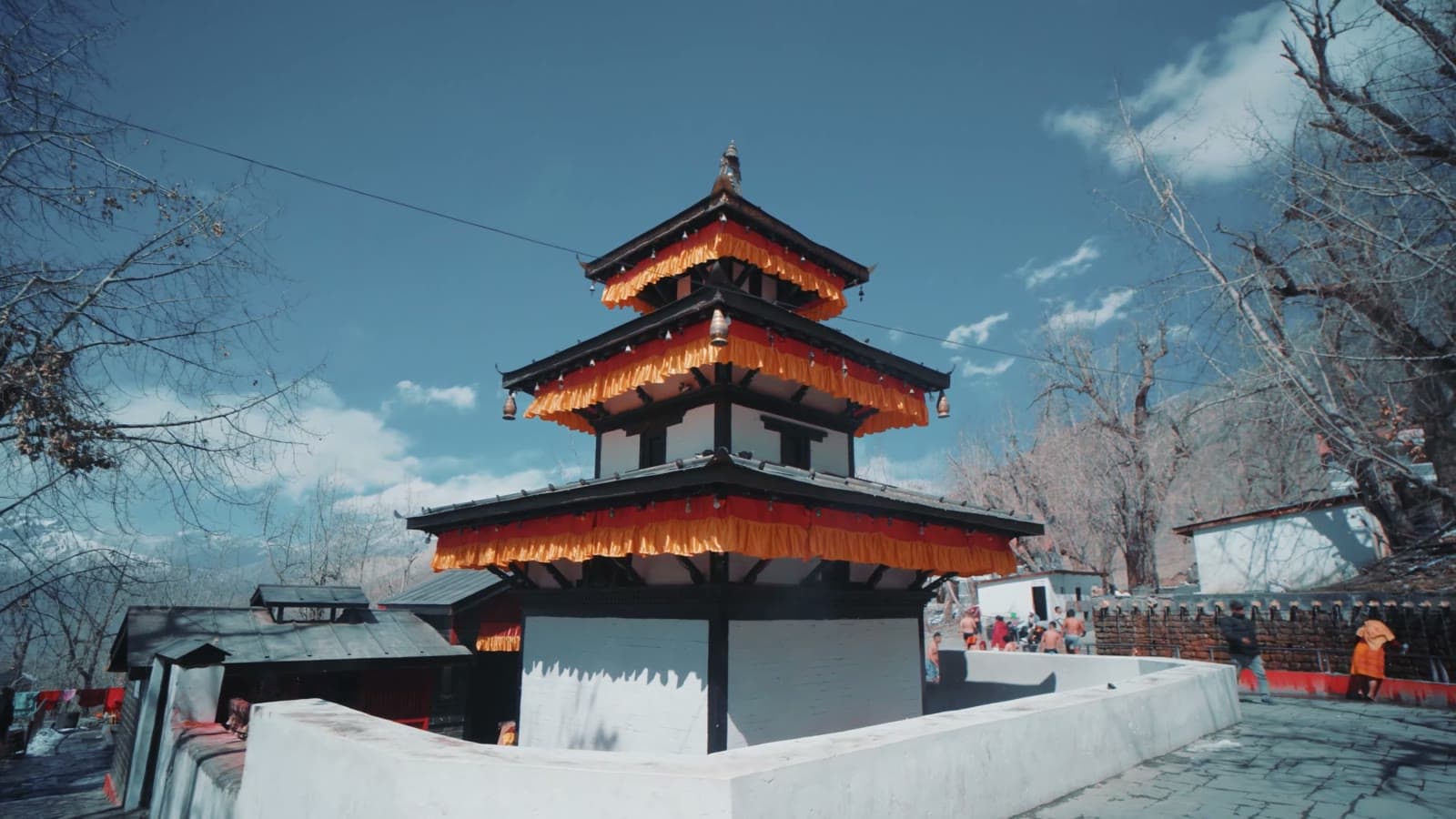
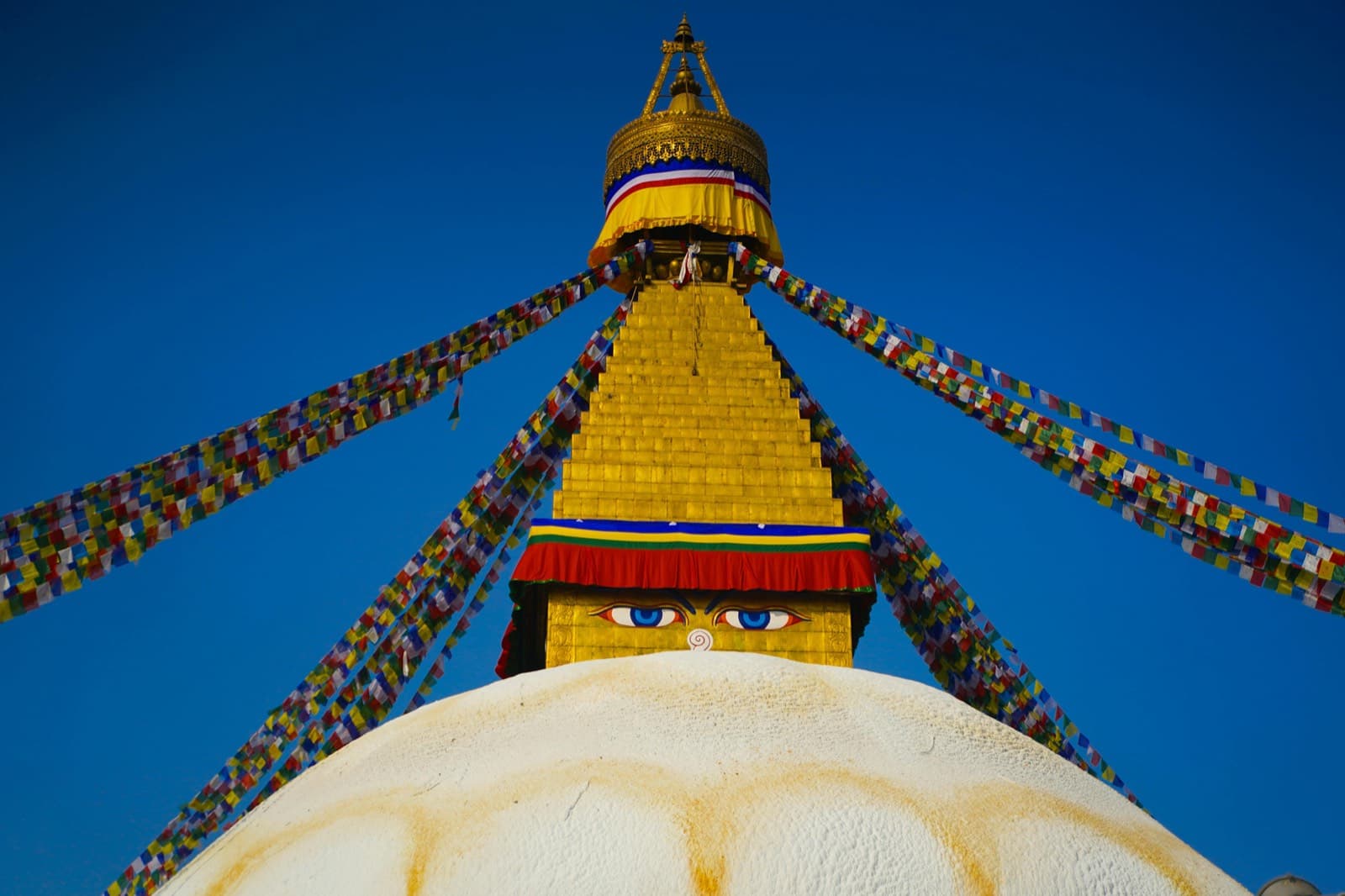
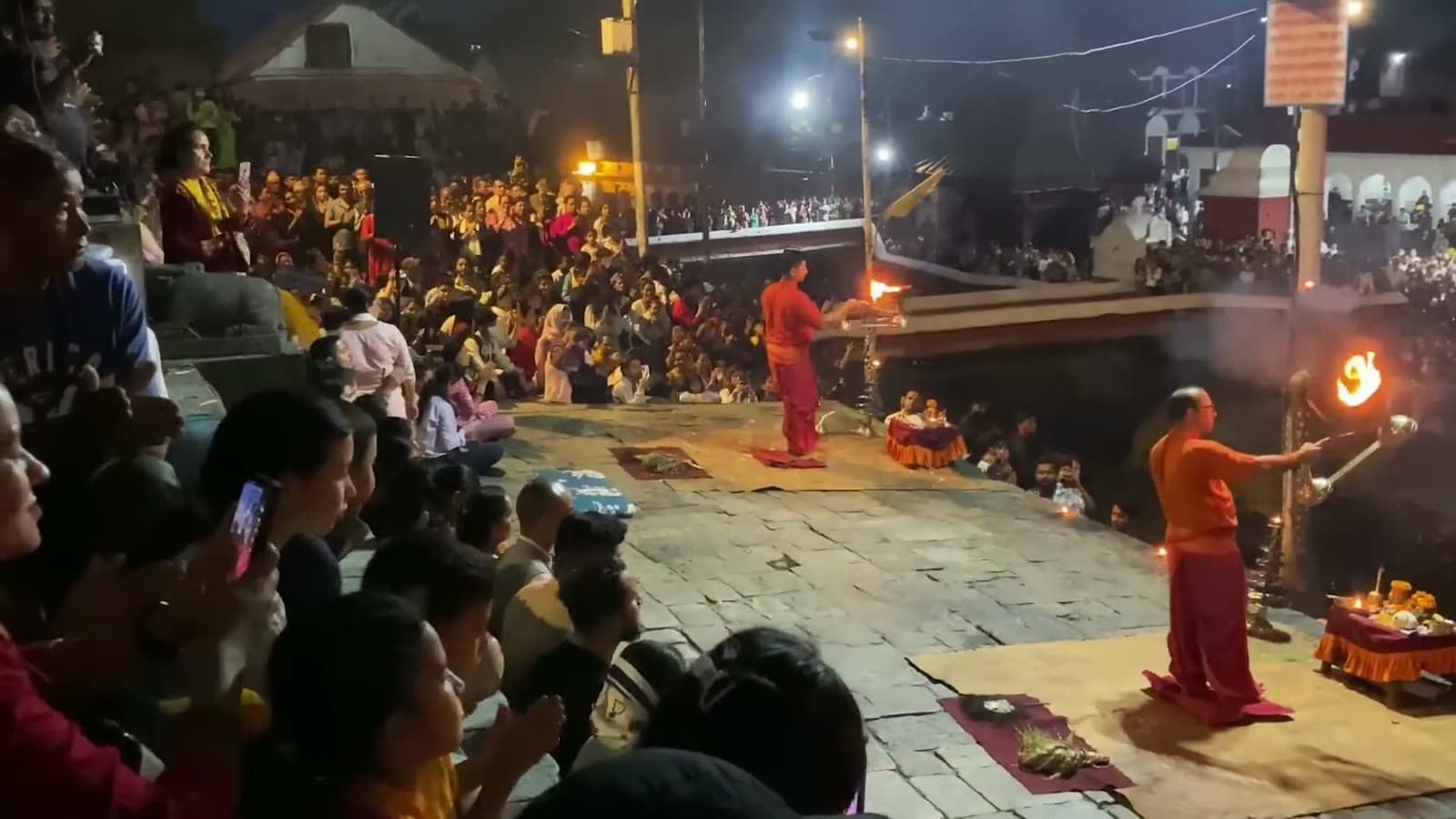
The morning is set aside for darshan at three sacred sites. Pashupatinath Temple stands on the Bagmati river and is Nepal's most revered Shiva temple. Guhyeshwari Temple, a Shakti Peetha, lies about 200 metres away. Budanilkantha is the reclining figure of Lord Vishnu on a serpent bed. In the afternoon a full yatra briefing covers health precautions, packing, how the body responds to altitude and the border procedures ahead.
Leave Kathmandu for the drive towards the Nepal and Tibet border through forests, rivers, terraced hills and small settlements in the Langtang foothills. The gradual climb begins the body's preparation for altitude. Syabrubesi or Timure is the final overnight stop in Nepal before Tibet, with simple mountain guesthouse accommodation.
Complete Nepal exit formalities at the Rasuwagadhi border, where Chinese officials check the Tibet permits, with the tour leader handling the process. After crossing into Tibet, the road climbs through gorges and pine forest into the Kerung valley. Kerung, at about 2,700 metres, is the first night in Tibet and the point from which altitude care begins. Drink 3 to 4 litres of warm water, eat light meals and sleep early.
The drive crosses the wide Tibetan plateau, with open valleys, bare hills, snow peaks and nomad settlements, and follows sections of the Brahmaputra, known in Tibet as the Yarlung Tsangpo. There are short stops for acclimatisation and checkpost verifications on the way. Saga lies at about 4,640 metres, and mild headache or breathlessness on arrival is normal. Drink plenty of warm water and rest early.
This full rest day is built into the itinerary to make the coming days at high altitude safer. Take a gentle walk of 30 to 40 minutes around Saga town in the morning and rest for the remainder of the day, with time for meditation and personal prayers. The tour leader checks each pilgrim's blood oxygen level, and the evening closes with a group puja or bhajan session and an early night.
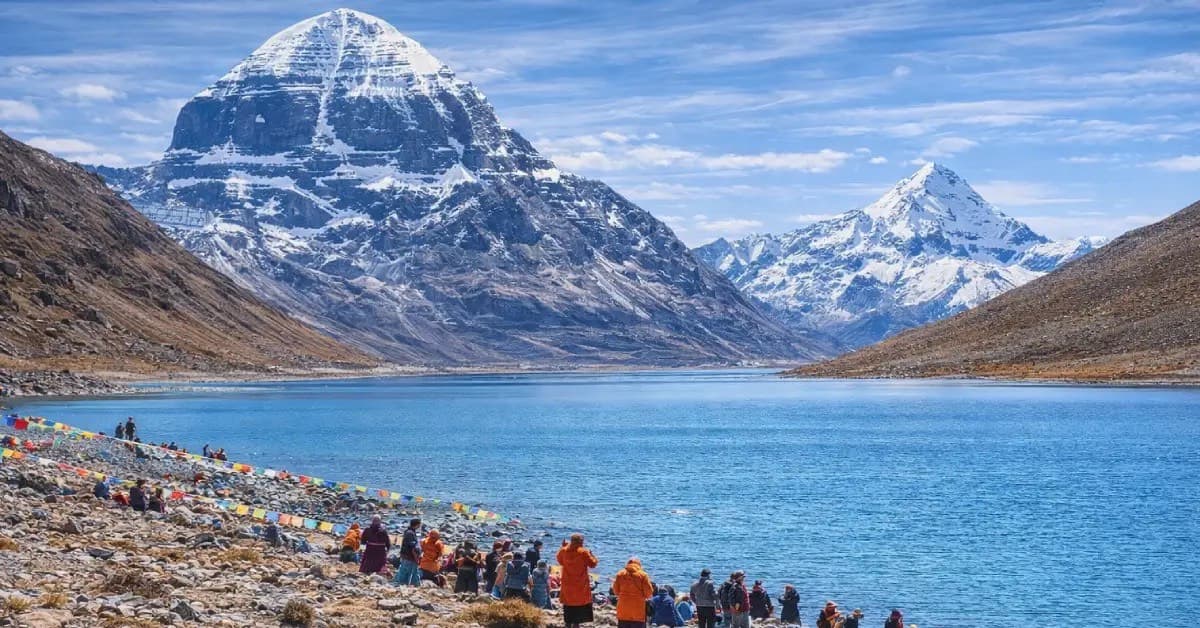
Drive west across the plateau to Lake Mansarovar, at 4,590 metres, with views of Mount Kailash to the north east as the lake comes into sight. After arrival there is time for quiet reflection, a holy dip when the weather permits and the Mansarovar puja with incense, flowers and diyas. The water is cold, around 8 to 12 degrees Celsius, so the dip is brief. Evening prayers are followed by an overnight stay in a simple mud house near the lake.
Spend a calm early morning at the lakeshore for prayers and sunrise, then drive to Darchen, at about 4,575 metres, the base of the Kailash Parikrama. Mount Kailash fills the skyline on the approach. In the afternoon there is a final Parikrama briefing and a visit to the Tarboche flagpole. Pack the Parikrama day pack in the evening and sleep early.
The Parikrama begins at dawn. The trail enters the Lha Chu valley and heads north west past mani walls, prayer flags and glacial streams on a gradual ascent, with a stop at Chukku Monastery for prayers and rest. Towards the end of the day the North Face of Mount Kailash comes into full view. Arrive at the Dirapuk guesthouse, at about 4,900 metres, in the early afternoon and rest for the harder day ahead.
This is the most demanding and most sacred day of the yatra. Set out early by torchlight on a steep, rocky climb to the Dolma La Pass at 5,636 metres, the highest point of the circuit, marked by a large cairn draped in prayer flags. Allow 20 to 30 minutes at the pass, then descend about 300 metres to Gauri Kund, the sacred lake associated with Goddess Parvati, and continue down the Lham Chu valley to the Zuthulpuk guesthouse at about 4,790 metres.
The final 12 km is a gentle descent through the Lham Chu valley that completes the circumambulation of Mount Kailash. Reach Darchen by late morning, collect the main luggage and have lunch, then drive to Saga for the night.
Retrace the plateau road east, descend through the Kerung valley, complete immigration at Rasuwagadhi and drive on to Kathmandu through the Langtang foothills. Arrival is in the evening or late at night, followed by dinner at the hotel.
After breakfast, transfer to Tribhuvan International Airport for your onward flight, bringing the Kailash Mansarovar Yatra to a close.
| City | Hotel | Nights |
|---|---|---|
| Kathmandu | Hotel in the Thamel or Lazimpat area | 2 |
| Syabrubesi / Timure | Mountain guesthouse | 1 |
| Kerung | Guesthouse | 1 |
| Saga | Guesthouse | 3 |
| Lake Mansarovar | Mud house | 1 |
| Darchen | Guesthouse | 1 |
| Dirapuk | Guesthouse | 1 |
| Zuthulpuk | Guesthouse | 1 |
| Kathmandu | Hotel in the Thamel or Lazimpat area | 1 |
Meal plan at every stay: All meals. Hotels are confirmed at booking and are subject to availability. An unavailable hotel is replaced with one of a similar category.
| For | 4 Star upgrade | 5 Star upgrade |
|---|---|---|
| All departuresAdded to the package cost | ₹3,000 | ₹8,000 |
| Option | For | Price | Note |
|---|---|---|---|
| May 2026 | 07, 14, 21, 25 (Full Moon), 28 | USD 1,790 per person | Ex Kathmandu by luxury AC coach |
| June 2026 | 04, 11, 18, 24 (Full Moon) | USD 1,790 per person | Ex Kathmandu by luxury AC coach |
| July 2026 | 02, 09, 16, 23 (Full Moon), 30 | USD 1,790 per person | Ex Kathmandu by luxury AC coach |
| August 2026 | 06, 13, 20, 22 (Full Moon), 27 | USD 1,790 per person | Ex Kathmandu by luxury AC coach |
| September 2026 | 03, 10, 17, 20 (Full Moon) | USD 1,790 per person | Ex Kathmandu by luxury AC coach |
Rates exclude 5% GST and may change on peak season, festive and long weekend dates.
The package cost is USD 1,790 per person on every 2026 departure. A 4 Star hotel upgrade adds 3,000 rupees per person and a 5 Star upgrade adds 8,000 rupees per person. The USD component may change as directed by the Chinese authorities, and 5% GST and 5% TCS apply as applicable.
A passport valid for at least six months and travel insurance covering high altitude trekking and emergency evacuation. The China and Tibet visa and all required permits are included and processed by CareMyTrip, and passports are collected in Kathmandu for permit processing.
The yatra suits travellers in good health. It reaches 5,636 metres at the Dolma La Pass and involves three days of trekking, about 47 km in total, with basic accommodation in Tibet. Consult your doctor before booking. Horse or yak hire is available during the Parikrama at extra cost, paid on site.
The road route gains height gradually through Kerung at 2,700 metres and Saga at 4,640 metres, with a full rest day at Saga before Lake Mansarovar. Oxygen cylinders, a Gamow bag and first aid support are carried throughout the journey.
Airport transfers and Kathmandu sightseeing, 2 nights in Kathmandu with all meals, accommodation in Tibet and the border towns, the air conditioned luxury coach with a support truck, a Tibetan guide and Nepali tour leader, all vegetarian meals, oxygen and first aid support, the China and Tibet visa and permits, and a duffle bag and backpack.
The USD portion is transferred to the authorised Chinese partner after booking confirmation and the INR portion is paid before arrival in Nepal. After confirmation 10% is deducted on cancellation, within 30 days of departure 50% is deducted, and within 15 days of departure the booking is non-refundable.
Tibet uses the Chinese Yuan, at roughly 7.50 Yuan to 1 USD. There are no ATMs on the plateau and Indian Rupees are not accepted, so carry enough cash for personal expenses and any horse hire.
That is our overall service rating. Traveller feedback for this specific route is shared by the planning desk before you book.