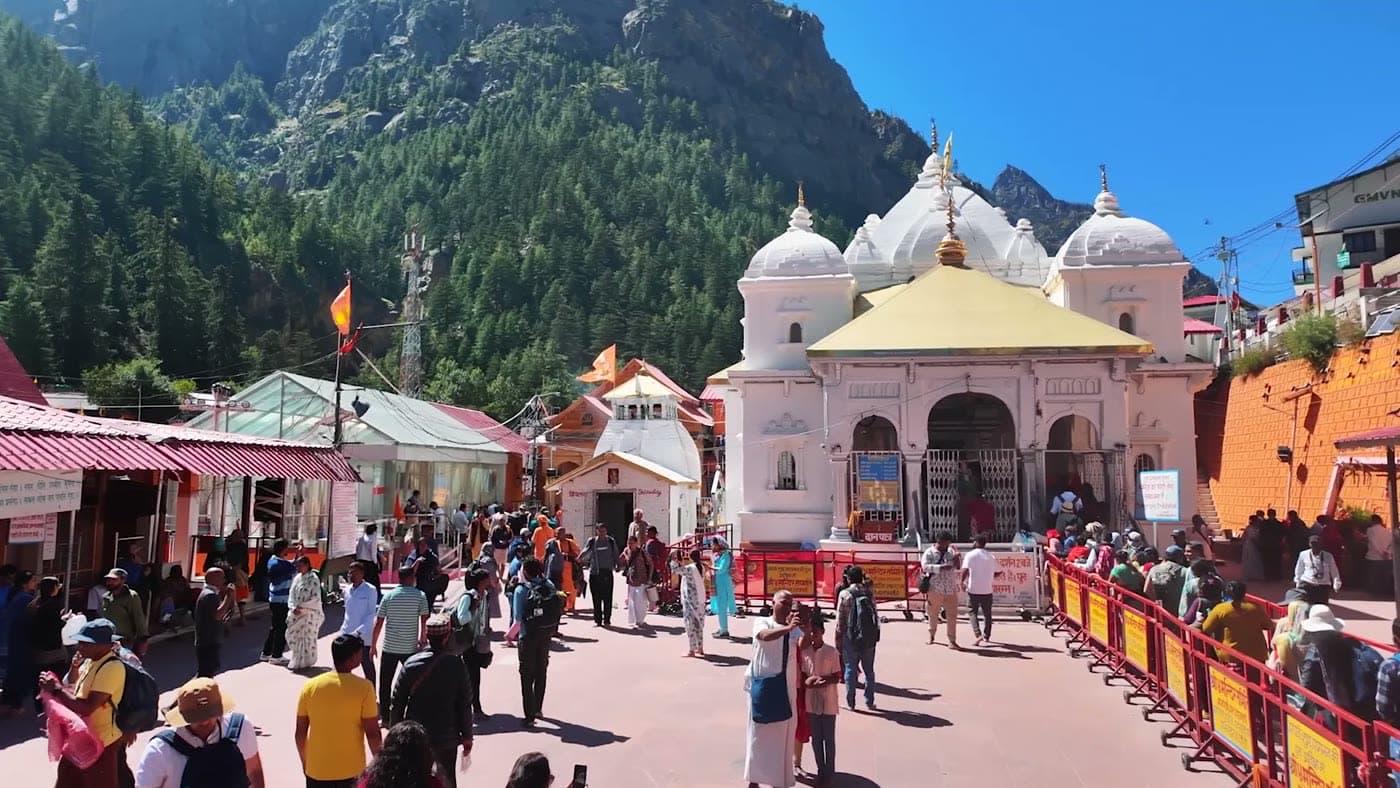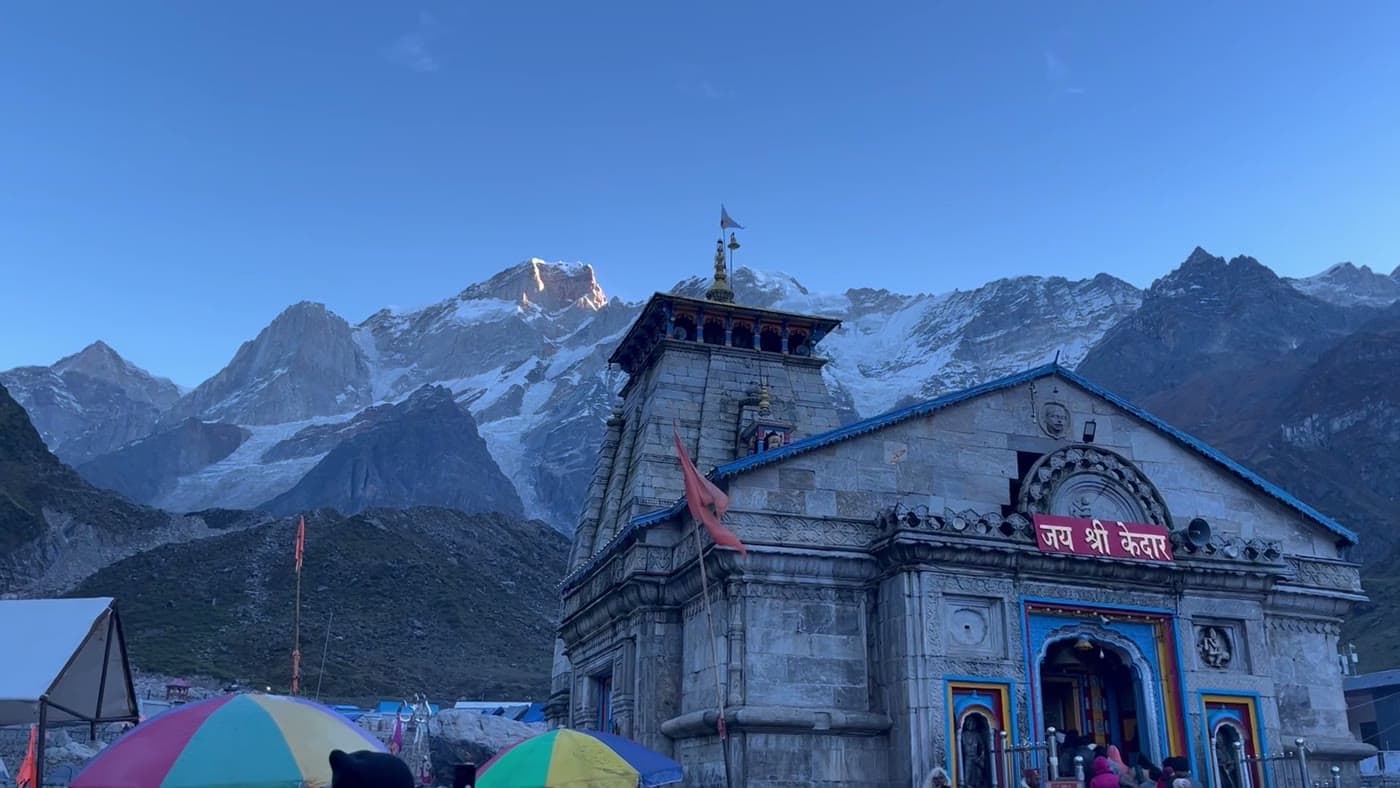
Kailash Mansarovar Yatra Overland Ex Kathmandu
12N / 13D Starts from Kathmandu By road
Price on request
View details
Lucknow · Delhi · Kathmandu · Nepalganj · Simikot · Hilsa · Taklakot · Lake Mansarovar · Darchen · Kailash Parikrama · Taklakot · Simikot · Kathmandu · Delhi · Lucknow
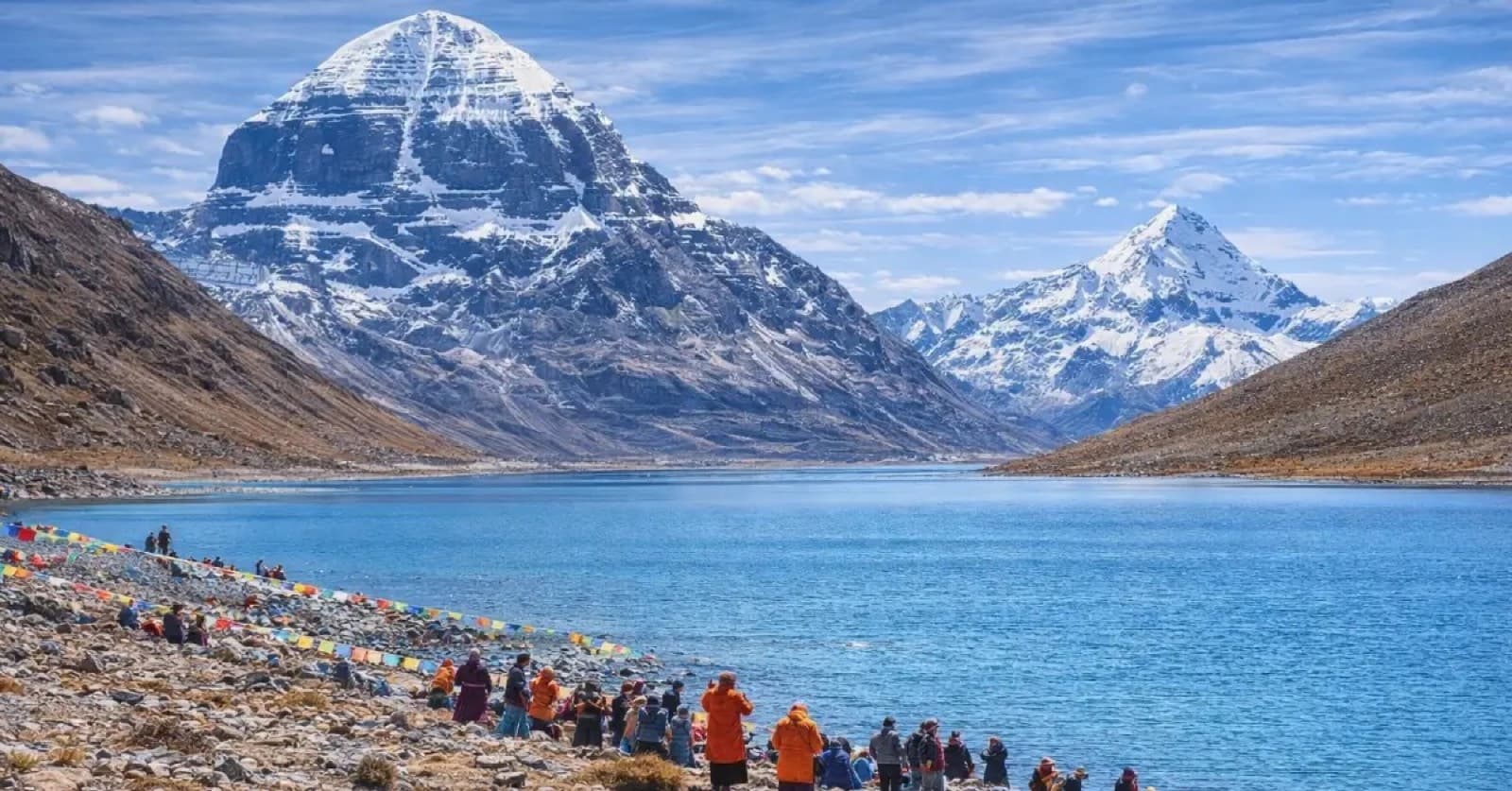
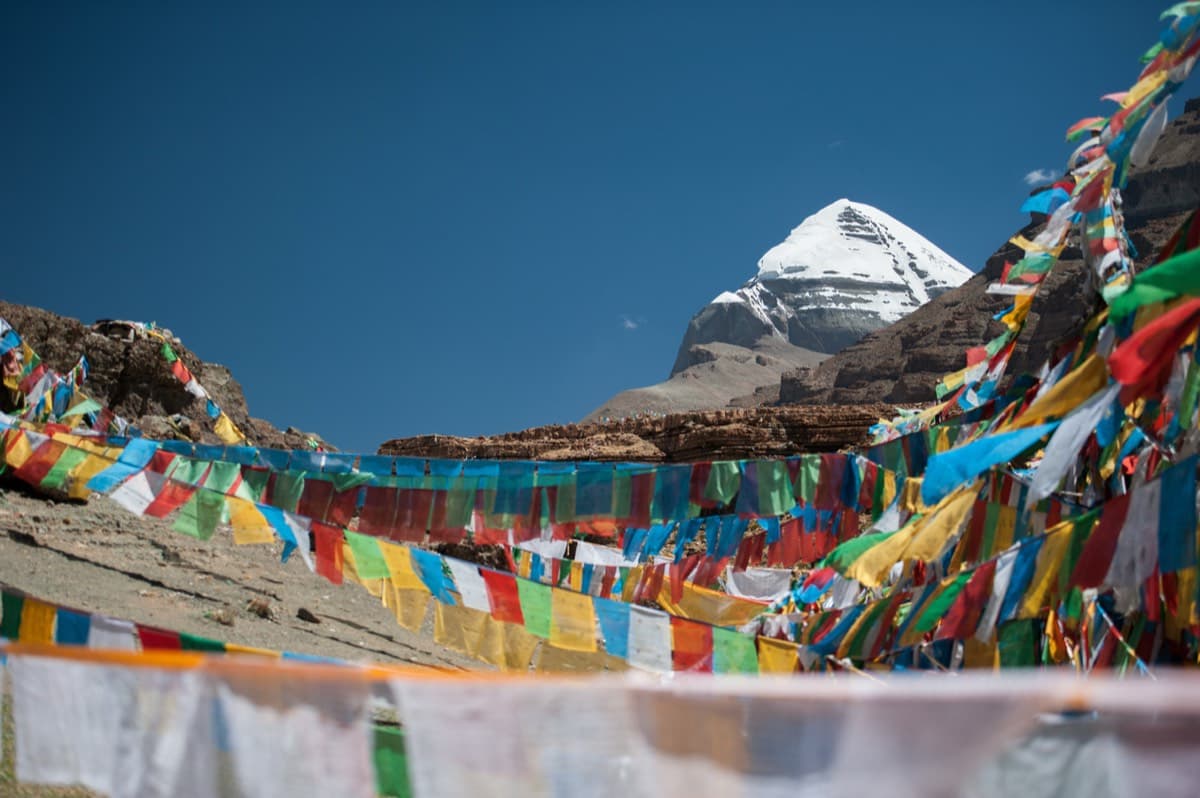
The Kailash Mansarovar Yatra Ex Lucknow is an eighteen day pilgrimage that starts and ends in Lucknow and reaches Mount Kailash (6,638 metres) by the Nepal route through Kathmandu, Simikot and Hilsa. After two days in Kathmandu for darshan, acclimatisation and permit processing, the journey flies via Nepalganj to the mountain airstrip at Simikot, crosses into Tibet at Hilsa and continues by road through Taklakot to Lake Mansarovar (4,590 metres), with two nights at the lake. From Darchen the three day Kailash Parikrama of about 52 km crosses the Dolma La Pass at 5,630 metres. The itinerary allows acclimatisation at each gain in altitude, and includes the internal flights, Tibet ground tra...
Assemble at Lucknow Chaudhary Charan Singh International Airport or the designated meeting point by 6:00 am for the flight to Delhi, or take the overnight train the previous night as per your booking. In Delhi, transfer to a hotel near IGI Airport. The tour coordinator hands out the Tibet permit documentation kit and briefs the group on Chinese visa procedures, health precautions and each stage of the journey. Rest in the afternoon and confirm your documents, including a passport valid for six months, two passport size photographs, a medical certificate and travel insurance.
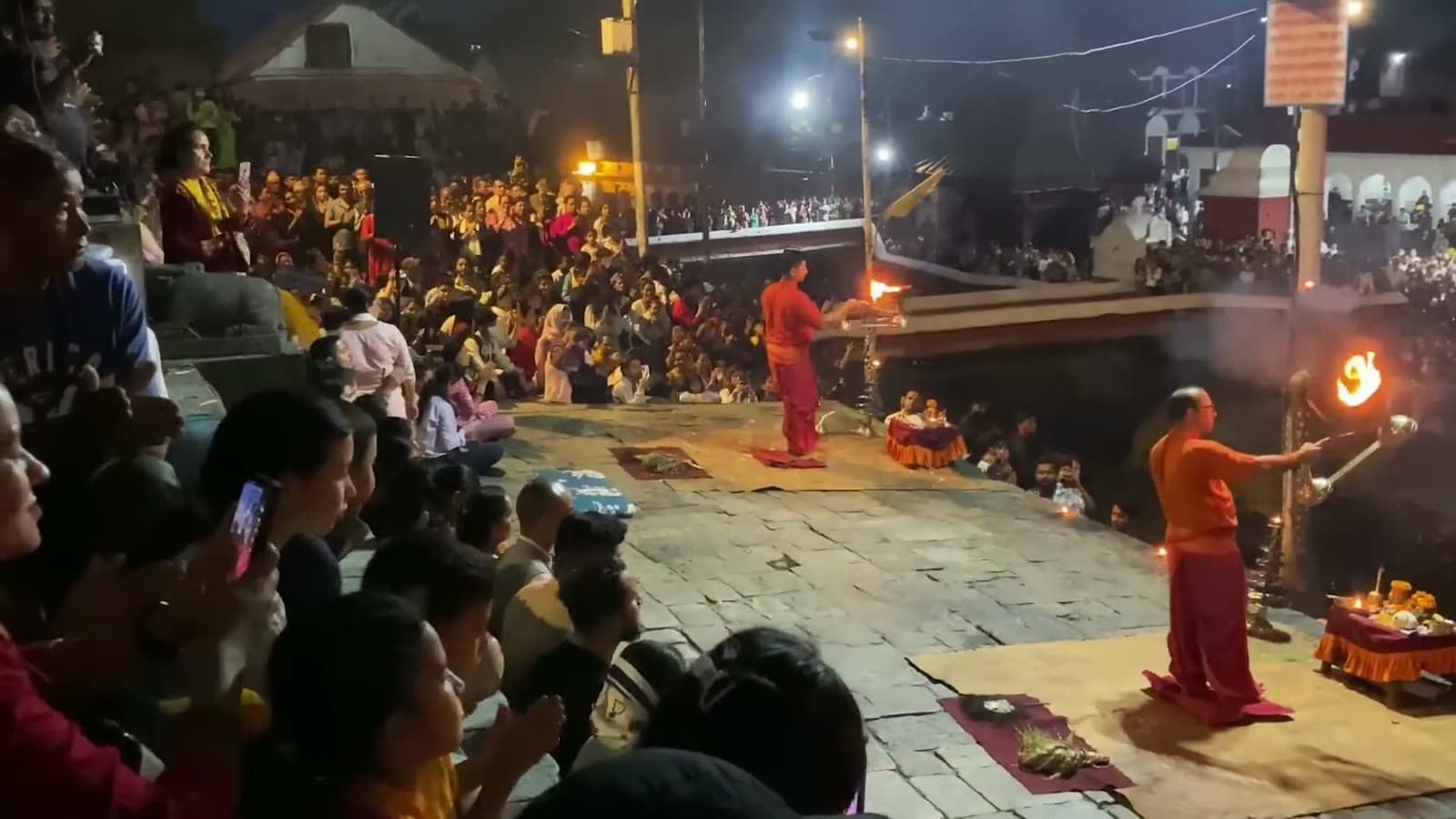
Take the early morning flight to Kathmandu, at about 1,400 metres. Indian citizens do not need a visa for Nepal, though carrying a spare passport photograph is advised. After transfer to a hotel in the Thamel or Lazimpat area and lunch, visit Pashupatinath Temple on the Bagmati river, where non-Hindus may not enter the main sanctum, followed by Boudhanath Stupa, one of the largest Buddhist stupas in the world. Swayambhunath is visited if time permits. In the evening, all documents are submitted for Tibet permit processing after a group dinner and orientation.
This full day in Kathmandu begins the gentle preparation for altitude. In the morning visit Changu Narayan Temple, one of the oldest Vishnu temples in Nepal, or Patan Durbar Square. The afternoon is free in Thamel for last minute shopping such as thermal layers, trekking poles, prayer flags and high altitude snacks. The coordinator collects all passports for the Tibet Travel Permit and Chinese Group Visa, and the evening closes with a group puja and an early night.
Collect the Tibet permits and passports at Kathmandu airport and fly to Nepalganj in the Terai, then take the 45 minute mountain flight in a small aircraft to Simikot, at about 2,910 metres. Simikot is the headquarters of Humla District and the last proper settlement before the Tibet border. After checking in to the guesthouse and resting for two to three hours, take a 45 minute walk on flat ground around the village, visiting the local Shiva temple and the old Simikot Dzong.
Travel to Hilsa, at about 3,640 metres, either by a short helicopter flight, which is standard in peak season, or by road with a suspension bridge crossing of the Karnali. Complete Nepal exit formalities, then cross the international bridge into Tibet, where Chinese officials check every Tibet Travel Permit and passport closely. Drive about 20 km from the border for lunch and an overnight stay in a basic guesthouse. Rest is strongly advised in the afternoon, along with 4 to 5 litres of warm water.
Drive on unpaved roads along the Karnali gorge and into wider Tibetan valleys, passing villages, mani walls and cliffside gompas, with the Gurla Mandhata massif (7,694 metres) coming into view near Taklakot. Taklakot, at about 3,900 metres, is a cross border trading town between Nepal and Tibet. Take a short evening walk to the old fortress ruins and the hilltop gompa, followed by a group dinner and an altitude health check.
Drive across the high plateau to Lake Mansarovar, at 4,590 metres and about 320 square km in area, with Mount Kailash rising to the north east. Arrive at Chiu Gompa on the lakeshore by midday and rest for two hours. In the late afternoon walk to the lake to perform the Mansarovar puja with the guide, and take a holy dip if you wish, keeping it brief as the water is around 8 to 12 degrees Celsius. Visit Chiu Gompa monastery, with its cave associated with Padmasambhava, and watch the sunset over the lake.
Rise early for the pre-dawn holy dip, considered the most auspicious time at Mansarovar, and change into warm dry clothes straight afterwards. After breakfast, join the Mansarovar puja and Sankalpa ceremony conducted by the guide. Mid morning, drive to Rakshastal, about 4 km west, the dark green lake associated with Ravana's penance to Lord Shiva and linked to Mansarovar by a natural channel. Return for an afternoon walk of 3 to 4 km along the lakeshore.
Drive to Darchen, at about 4,560 metres, the village at the base of Mount Kailash and the starting point of the Parikrama. Rest on arrival, as acclimatisation is critical here. In the afternoon walk to the Tarboche flagpole, about 500 metres from Darchen and the ceremonial start of the Parikrama, and to Gyangdrak Monastery on the hillside. The coordinator holds the final Parikrama briefing on distances, altitude, what to carry and horse or porter options. Pilgrims above 60 or with health concerns are advised to use horses on steep sections.
Set out by 7:00 am into the Lha Chu valley, walking on a gradual ascent past prayer flags and mani walls, with glimpses of the southern face of Kailash and a stop at Chukku Monastery. Around the 13th or 14th km the trail turns north and the North Face of Mount Kailash comes into full view. Continue to Dirapuk Gompa and its guesthouse at about 4,920 metres, arriving by mid to late afternoon. Accommodation is a basic dormitory with shared washrooms. Horses are available on this day for those who need support.
This is the hardest and most sacred day of the yatra. Leave by 5:30 am with head torches for the steep, rocky climb from Dirapuk, with the first 6 km the most demanding. Reach the Dolma La Pass at 5,630 metres, the highest point of the Parikrama, and limit the stop there to about 30 minutes. Descend about 300 metres to Gauri Kund, the sacred lake associated with Goddess Parvati, then continue about 14 km down the Lham Chu valley to Zuthulpuk, at about 4,790 metres, which has a cave gompa linked to Milarepa.
The final 10 km is a gentle descent along the Lham Chu valley that completes the 52 km circuit at the mani wall near the Tarboche flagpole. Arrive in Darchen by late morning and collect the main luggage. The afternoon is free to rest, and the day ends with a group dinner.
Drive back towards Taklakot with a brief stop at Lake Mansarovar to collect a sealed bottle of Mansarovar water, which should travel in checked luggage on the return flights. Arrive in Taklakot by mid afternoon with free time in the market. In the evening a group thanksgiving puja marks the safe completion of the Parikrama.
Travel to the Hilsa border by road or helicopter as conditions allow, complete Tibet exit immigration and cross back over the Karnali bridge into Nepal. Continue to Simikot by helicopter or by road, arriving in the afternoon, with time for a short walk through the village before the last mountain night of the yatra.
Take the early morning flight from Simikot to Nepalganj and connect to Kathmandu, arriving by early afternoon. After check in at the hotel, the afternoon is free to rest or shop in Thamel, and the evening ends with a group celebration dinner.
This free day in Kathmandu serves as a buffer for recovery. Optional visits include a return to Pashupatinath Temple, Dakshinkali Temple, Kopan Monastery, Patan Museum or an evening circumambulation of Boudhanath Stupa. At the final group dinner the coordinator presents the Kailash Mansarovar Parikrama completion certificates.
Transfer to Tribhuvan International Airport for the flight to Delhi, arriving in the afternoon. Stay at a hotel near IGI Airport if an overnight stay is required, or continue to Lucknow by evening train or flight as per the individual booking.
Travel from Delhi to Lucknow by early morning train or flight, arriving by mid morning. You are received at Lucknow station or airport and presented with blessed Mansarovar jal, bringing the Kailash Mansarovar Yatra to a close.
| City | Hotel | Nights |
|---|---|---|
| Delhi | Hotel near IGI Airport | 1 |
| Kathmandu | Hotel Vajra / Holy Himalaya / Equivalent | 2 |
| Kathmandu | Hotel Vajra / Holy Himalaya / Equivalent | 2 |
| Delhi | Hotel near IGI Airport | 1 |
| City | Hotel | Nights |
|---|---|---|
| Simikot | Mountain View Lodge / Humla Guest House | 1 |
| Hilsa, Tibet | Sher Guest House | 1 |
| Taklakot (Purang) | Tibet Hotel / Senge Khabab | 1 |
| Lake Mansarovar | Chiu Gompa Guesthouse / Mansarovar Tent Camp | 2 |
| Darchen | Darchen Guesthouse / Kailash Rest House | 1 |
| Dirapuk | Dirapuk Guesthouse | 1 |
| Zuthulpuk | Zuthulpuk Guesthouse | 1 |
| Darchen | Darchen Guesthouse / Kailash Rest House | 1 |
| Taklakot (Purang) | Tibet Hotel / Senge Khabab | 1 |
| Simikot | Mountain View Lodge / Humla Guest House | 1 |
Meal plan at every stay: As per itinerary. Hotels are confirmed at booking and are subject to availability. An unavailable hotel is replaced with one of a similar category.
| Option | For | Price | Note |
|---|---|---|---|
| Standard | On request | On request |
Rates exclude 5% GST and may change on peak season, festive and long weekend dates.
Indian citizens need the Chinese Group Visa, the Tibet Travel Permit and the Tibet Tourism Bureau Permit, and sometimes an Alien Travel Permit for specific restricted areas. Our team handles all permit processing, and pilgrims provide passport copies, photographs and supporting documents. Passports are collected in Kathmandu on Day 3.
Moderate to good fitness is needed. The 52 km Parikrama is not technical climbing, but it means three consecutive days of trekking up to 5,630 metres. Anyone who regularly walks 8 to 10 km on flat ground and has no serious cardiac, respiratory or joint condition can attempt it with proper acclimatisation. A medical fitness certificate is mandatory.
Yes, provided they have no serious health conditions and have medical clearance. A fitness assessment and doctor's certificate are mandatory for pilgrims above 60, and horses are available on all three Parikrama days at extra cost, approximately USD 100 to 150 for the three days.
The internal flights from Lucknow to Kathmandu and Simikot and back, the Hilsa to Simikot helicopter subject to conditions, 17 nights accommodation, vegetarian meals from Day 2 dinner to Day 18 breakfast, Tibet ground transport, the Chinese Group Visa assistance and Tibet permits, a tour coordinator and Tibet guide, luggage support on the Parikrama and emergency oxygen. GST and travel insurance are not included.
Simikot flights are highly weather dependent and delays of 1 to 2 days are common. The itinerary has buffer days, but extended delays may need additional hotel nights at the pilgrim's cost, which is why travel insurance covering trip interruption is mandatory.
Cancelling more than 60 days before departure incurs a 20% deduction, 30 to 60 days a 40% deduction and 15 to 30 days a 60% deduction. Within 15 days of departure the booking is non-refundable. If the Tibet border closes, recoverable costs are refunded after deducting non-refundable permit fees.
Each batch has 8 to 16 pilgrims, which allows personal attention and quicker processing at borders and checkposts.
That is our overall service rating. Traveller feedback for this specific route is shared by the planning desk before you book.